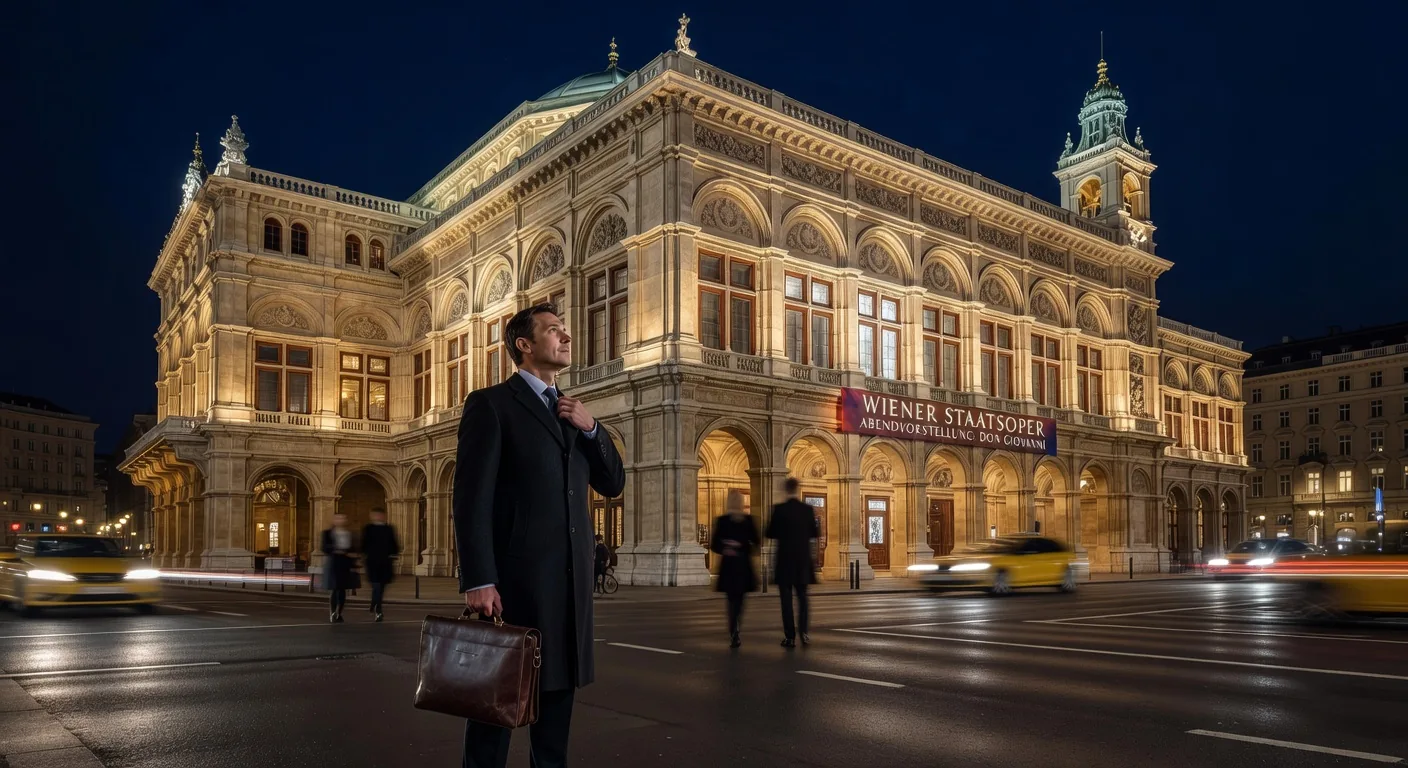
Some cities are best understood in contrast. Vienna and Milan — separated by a four-hour train journey and centuries of artistic rivalry — form perhaps the most intellectually and aesthetically rewarding pairing available to the executive city breaker in 2026.
Why Vienna and Milan Form the Perfect Cultural Pairing
At first glance, Vienna and Milan seem to inhabit parallel universes. Vienna is imperial, deliberate, grand — a city that refuses to be hurried, draped in baroque grandeur and saturated with a coffee-house culture that has been refining itself for three centuries. Milan, by contrast, is velocity itself: sharp tailoring, aperitivo at sundown, the ceaseless hum of a city that invented the very concept of contemporary design and refuses to let anyone else claim it.
Yet these apparent opposites share a profound cultural seriousness. Both cities house some of Europe's greatest opera houses. Both contain world-class art museums within walking distance of their commercial cores. Both have neighbourhood cultures that reward the traveller who knows where to look. And both are, crucially, compact enough that a focused 48 hours in each yields experiences that a week in a lesser city could not match.
For the executive who travels on a schedule, this pairing is ideal: fly into Vienna, spend two days, board the overnight train or a 75-minute flight to Milan, spend two days, and fly home. Four working days, two extraordinary cities, and a cultural education that will inform every creative conversation you have for months.
Vienna in 48 Hours: The Imperial Agenda
Vienna rewards the visitor who understands that its greatest pleasures are almost all within the First District — the Innere Stadt — and the immediately surrounding neighbourhoods. Do not disperse. Concentrate.
Evening One: The Staatsoper
The trip begins, as it should, at the Vienna State Opera. Founded in 1869 and rebuilt after wartime destruction to resume its position among the world's elite opera houses, the Staatsoper performs 300 nights per year across 50 different productions. For the uninitiated, this is not the intimidating, dress-only occasion that reputation suggests; it is a living cultural institution attended by Viennese of every description. That said, the executive who turns up in jeans will be noticed — and not admiringly.
Book a ticket — any ticket, including the standing positions, which are a Viennese institution in themselves — at least three weeks in advance. The programme in 2026 includes outstanding runs of Verdi, Strauss, and an acclaimed new production of Janacek's The Makropulos Case. Arrive 20 minutes early for a glass of Austrian Grüner Veltliner at the opera bar, and you will understand, in a single hour, why this city was the cultural capital of the western world for 200 years.
Morning One: Kunsthistorisches Museum
The Kunsthistorisches Museum opens at 09:00. Be there at 09:05. The museum's extraordinary collection — assembled by the Habsburg emperors over centuries — contains some of the most important Renaissance and Baroque paintings in existence, including Vermeer's Art of Painting, Bruegel's extraordinary sequence of the Seasons, and a Cellini salt cellar that makes every other object in the decorative arts look slightly underdressed.
Allocate two hours. Use the museum's audio guide for the Bruegel room and the Kunstkammer; proceed on instinct through everything else. Exit via the museum's magnificent café for a Viennese breakfast — Kipferl pastry, strong coffee, newspaper if the mood takes you — before proceeding into the city.
Afternoon One: Naschmarkt and the Ninth District
The Naschmarkt — Vienna's famous outdoor market — is at its best on Saturday morning, but it functions daily. Walk its full length, taste everything that is offered freely (more than you might expect), and stop for lunch at one of the market restaurants that serve genuine Viennese cuisine rather than the tourist-facing approximations found near the major attractions. Beisl-style restaurants serving Tafelspitz, Viennese Schnitzel, and Grüner Veltliner by the Viertel are the standard here.
Day Two: Belvedere Palace and the Café Circuit
The Upper Belvedere Palace and its extraordinary Klimt collection — anchored by The Kiss, one of the most recognised paintings in the world — occupies the morning of Day Two perfectly. Arrive at opening, collect your pre-booked tickets at the fast-track desk, and give yourself 90 minutes in the collection before the tour groups absorb the Klimt room entirely.
The afternoon belongs to the coffee house circuit. Vienna's historic cafés — Café Central (1876), Café Schwarzenberg (1861), Café Landtmann (1873) — are not tourist attractions masquerading as cafés. They are working institutions where Viennese professionals spend hours reading, writing, meeting, and conducting the slow intellectual business of the city. Order a Melange (milk coffee), a slice of Sachertorte, and impose on yourself the Viennese duty of sitting still for at least 45 minutes.
The Art of the Opera Evening: Booking, Dress Code, and Etiquette
Booking the Vienna Staatsoper
- Online: staatsoper.at — book 8 weeks ahead for premium seats; standing room available 80 minutes before curtain
- Dress code: Smart formal to black tie for premium seats; smart casual acceptable for upper gallery and standing
- Best seats: Parterre (stalls), rows 5–12, centre — the acoustic sweet spot for most productions
- Duration: Plan for 3–4 hours including intervals; always check the specific production running time
- Interval drink: Pre-order at the bar to avoid the queue — a Viennese professional habit worth adopting
For the executive who has never attended opera, Vienna is the ideal introduction. The city's relationship with opera is not reverential; it is domestic, even proprietary. Audiences here are genuinely knowledgeable and genuinely engaged. Being surrounded by 2,200 people who care deeply about what they are watching is, in itself, a significant cultural experience.
Recommended 2026 productions for first-time visitors include La Traviata (accessible, beautiful, and consistently well-performed at the Staatsoper), and the traditional Viennese favourite Der Rosenkavalier, which offers the particular pleasure of watching an audience recognise and respond to the music as intimately as a jazz crowd might respond to a familiar standard.
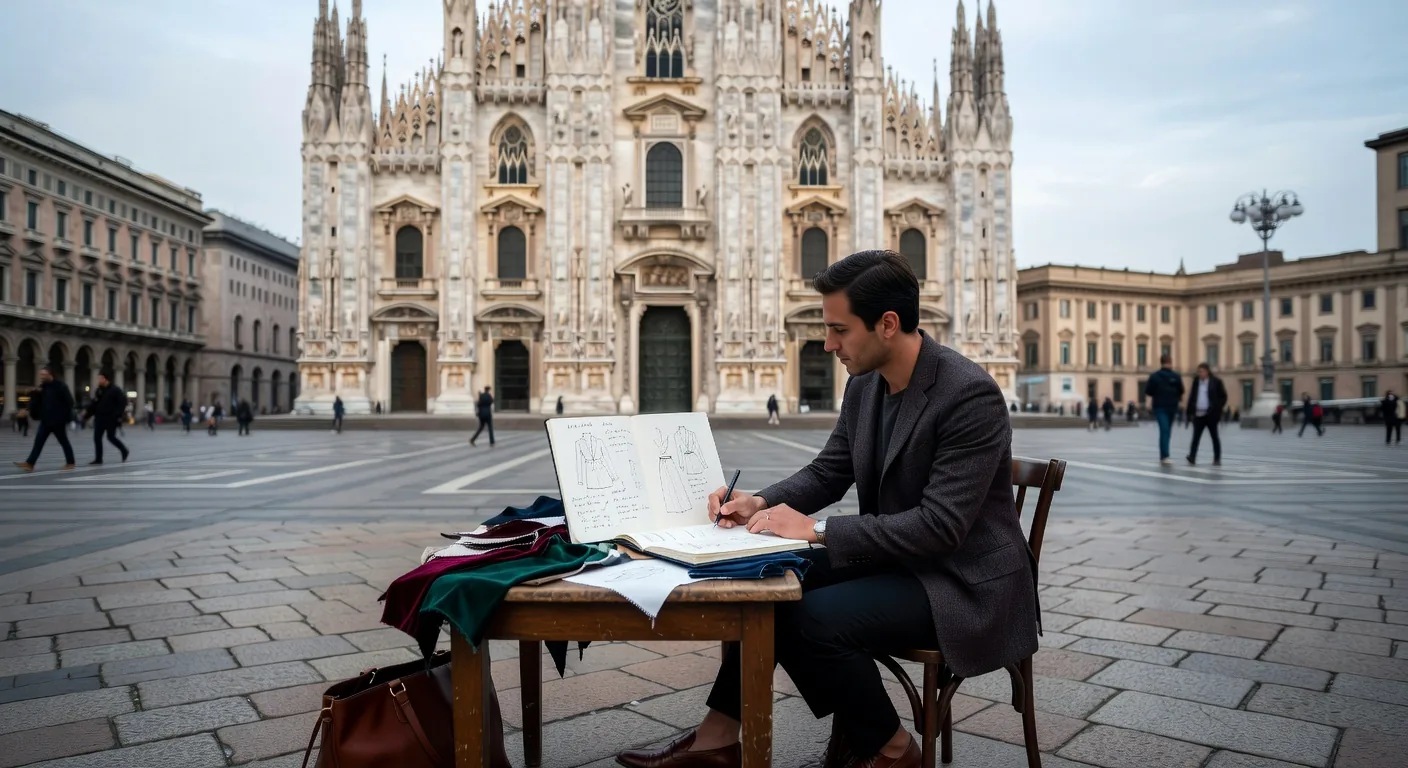
Milan in 48 Hours: Style, Substance and Aperitivo
Milan is often misread by casual visitors as purely a fashion and finance city — a place of commerce rather than culture. This reading is incorrect, and it costs those who hold it dearly. Milan is one of the great art cities of Europe, it possesses a neighbourhood culture of exceptional richness, and it invented the social ritual of the aperitivo, which may be the most civilised contribution of any city to modern urban life.
The Duomo and Surrounding Neighbourhood
The Duomo di Milano is one of the most ambitious Gothic buildings in the world — 600 years in construction, 3,400 statues, 135 marble spires, and a capacity that rivals many small city-centres in total volume. The rooftop terrace, accessible by lift or staircase, offers one of Italy's great urban panoramas on a clear day: the Alps to the north, the Lombard plain stretching south, and the extraordinary forest of marble pinnacles at close range.
Book rooftop access in advance and allocate 90 minutes for the cathedral and its surrounding piazza. The Galleria Vittorio Emanuele II — the magnificent 19th-century shopping arcade connecting the Duomo to La Scala — warrants 20 minutes of unhurried observation even if you have no intention of shopping. It is one of the finest interior public spaces in Italy.
The Brera Neighbourhood
The Brera district, immediately north of the city centre, is Milan at its most liveable — cobbled streets, independent galleries, antiquarian bookshops, flower sellers, and restaurants that have been feeding the same families for generations. The Pinacoteca di Brera, housed in a 17th-century palazzo, contains Raphael's Marriage of the Virgin, Mantegna's deeply unsettling Dead Christ, and a sequence of Lombard Renaissance paintings of the highest quality. Arrive at opening time and spend 90 minutes.
The Aperitivo Culture
At 18:00, Milan performs a daily collective ritual that has been internationally imitated and nowhere perfectly replicated. The aperitivo hour — typically running from 18:00 to 21:00 in the Brera, Navigli, and Isola districts — involves ordering a drink (Campari Spritz, Negroni, or a glass of Franciacorta from the local sparkling wine region) and receiving, without additional charge, access to a buffet spread of prepared foods that in some establishments constitutes a full dinner. The price of a single drink covers an evening of food and conversation. This is not a deal. This is how Milan has always lived.
La Scala and the Design District
Teatro alla Scala — like the Staatsoper in Vienna, one of the world's great opera houses — is best appreciated via a performance, but the museum and backstage tours are worthwhile for those whose schedule prevents an evening booking. The Teatro's programme in 2026 includes a landmark production of Verdi's Don Carlo in the bicentenary celebrations of the composer's legacy.
The Fuorisalone and Tortona design district, accessible by metro in 12 minutes from the Duomo, represents Milan's most contemporary face: the design studios, showrooms, and gallery spaces that make the city the global reference point for interior design and industrial creativity. Even outside the annual Salone del Mobile (held in April), the permanent showrooms of leading Italian design houses — Cassina, Kartell, Moroso — are worth a considered hour.
Getting Between Vienna and Milan: Train vs. Flight
| Criteria | Overnight Train (Nightjet) | Direct Flight (75 min) |
|---|---|---|
| Journey time (door-to-door) | ~10 hours (overnight) | ~4.5 hours |
| Cost (standard) | €59–€129 (couchette) | €80–€240 |
| Experience | Romantic, practical, saves hotel night | Efficient, loses a morning |
| Carbon footprint | Low | High |
| City centre arrival | Milano Centrale (metro access) | Malpensa (50 min to centre) |
| Recommended for | First-timers, those valuing experience | Schedule-critical travellers |
The ÖBB Nightjet overnight train from Vienna to Milan is one of Europe's great rail journeys — departing Wien Hauptbahnhof at approximately 23:00 and arriving at Milano Centrale at approximately 09:00. The private sleeper compartments are comfortable, the sleeping genuinely achievable, and the pleasure of waking up in a different country without having spent the night in a hotel or the morning in an airport is, once experienced, difficult to surrender.
Where to Stay: Hotel Recommendations
Selection criteria: walking distance to key sites, quality of breakfast, efficient check-in, and the capacity to feel like a genuine local institution rather than a global chain property.
Hotel Sacher Wien
ViennaOpposite the Staatsoper. The most storied hotel in Vienna — home of the original Sachertorte, impeccable service, and rooms that have hosted composers, conductors, and heads of state since 1876. The history justifies the price at least once.
Boutique Hotel Stadthalle
ViennaVienna's first certified zero-energy hotel, in the 15th district — 15 minutes by metro from the Innere Stadt. Beautiful garden, excellent breakfast, genuine sustainability credentials, and staff who treat each guest as if they were the only guest.
Mandarin Oriental Milan
MilanIn the Brera neighbourhood, adjacent to La Scala. Transformed from a series of 18th-century palazzi, the hotel's interior design is a study in contemporary Italian luxury. The spa is the finest in the city, and the restaurant Seta holds two Michelin stars.
Senato Hotel Milano
MilanA beautifully restored early 20th-century palazzo in the Brera, with original terrazzo floors, a rooftop bar overlooking Milanese rooftops, and a breakfast that will recalibrate your expectations of what an Italian morning can be. Excellent value.
Cultural Calendar: Best Events in Vienna & Milan, 2026
Both cities maintain an annual programme of cultural events that significantly enhance or complicate a city break, depending on advance planning. Our selection of the most significant events of 2026 follows.
Wiener Festwochen Opening
Vienna's major annual arts festival launches, running through June. Theatre, dance, opera, and installations across the city.
ViennaSalone del Mobile 2026
The world's most important design fair. Fuorisalone events extend across every neighbourhood in Milan for the duration.
MilanKlangbogen Wien Festival
Outdoor classical concerts in Vienna's historic parks and palaces — a uniquely atmospheric way to experience the city's musical heritage.
ViennaMilano Moda Week — Spring/Summer 2027
International fashion week returns to Milan. The city's aperitivo culture reaches peak intensity; advance restaurant booking is essential.
MilanStaatsoper Season Premiere Month
November marks the height of the Staatsoper season — typically the most ambitious programming of the year, including world premieres.
Vienna