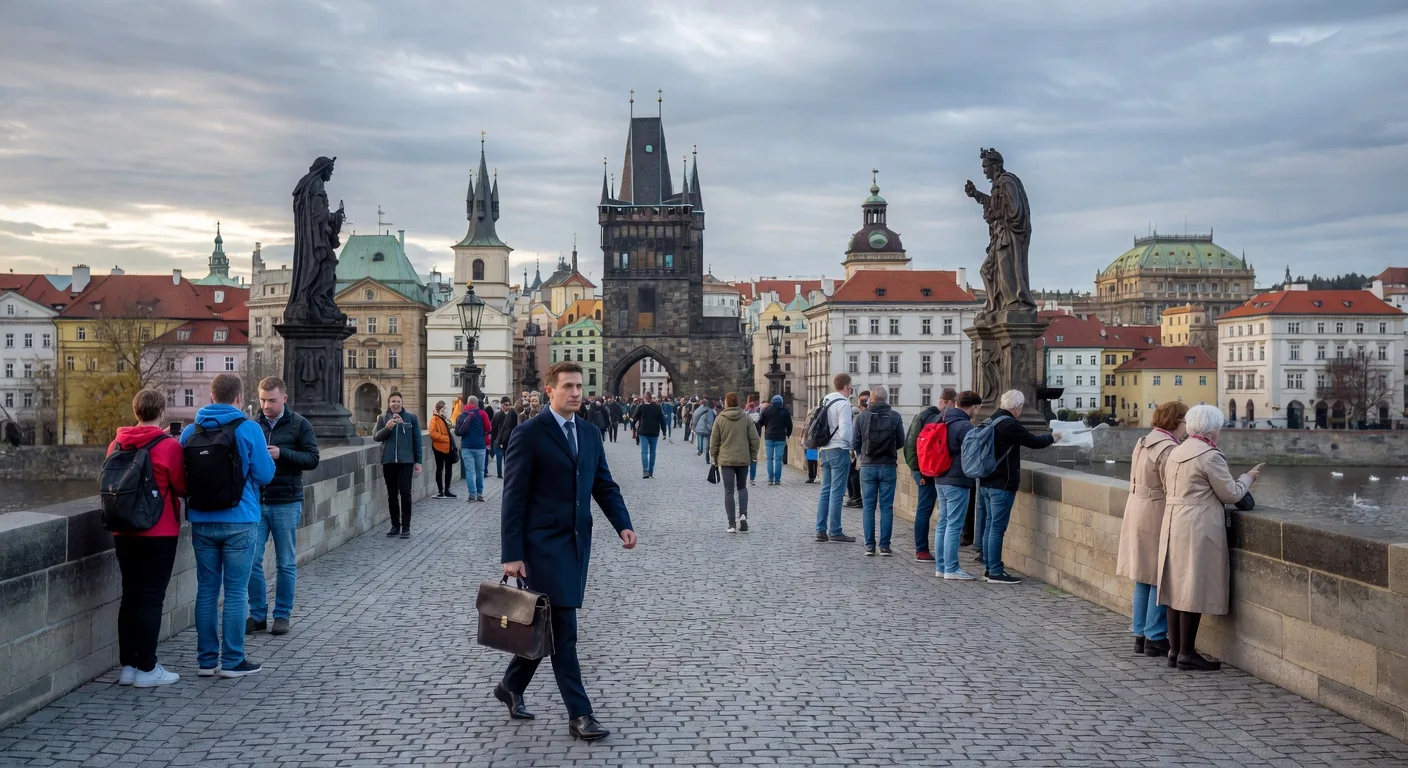
Forty-eight hours in a foreign city. The number sounds modest — barely enough to adjust to a new time zone, let alone absorb a city's character. Yet for the professional who has mastered this discipline, two days is not a constraint. It is a canvas.
Why 48 Hours Is the Ideal Duration for Executive Travel
The conventional wisdom about travel insists that you need at least a week to "really" see a city. This is advice written for a different era, and arguably a different type of traveller. The busy executive operates within a different set of constraints — and, crucially, a different set of skills. The same discipline that allows you to run a board meeting, prepare a pitch and manage a team simultaneously is the exact discipline that transforms 48 hours from a limitation into an advantage.
There is a neurological reason why short, intense trips often produce the most vivid memories. Novelty — real novelty, not the gentle stimulation of an extension holiday — sharpens attention and deepens encoding. When you arrive in a city knowing you have only 48 hours, you pay attention differently. Every meal matters. Every street corner is assessed. You are, whether you intend to be or not, fully present.
There is also the practical mathematics: a long weekend in a single European city from any major hub requires at most four days away from the office — two of which fall on a weekend. The cost in travel time, compared with what you receive, is exceptional. Once you understand this, you will never again leave a long weekend unexplored.
The Golden Rules of 48-Hour Travel
After designing hundreds of executive city breaks at Solar Vortex Anchor, we have distilled the essential principles that separate a well-executed 48-hour trip from an exhausting and disorganised one.
Rule 1: One Neighbourhood Per Half-Day
Resist the tourist map's temptation to see everything. Assign yourself one district per half-day session. Walk it thoroughly, find its best café, then move on. The city will reward your focus.
Rule 2: Book the Unmissable in Advance
Restaurants, opera houses, and museum exhibitions with limited access need booking before you board the outbound flight. Leave nothing to chance that can be eliminated with a 5-minute reservation.
Rule 3: Walk, Don't Taxi (Mostly)
In the great compact European capitals, the difference between a good trip and a great one is almost always measured in footsteps. Walking between attractions adds organic discovery that no itinerary can engineer.
Rule 4: The 20-Minute Rule for Museums
No executive city breaker needs four hours in any museum. Identify the three to five pieces or rooms that define the collection and go directly to them. Lingering is for retirement.
Rule 5: Protect One Meal from the Itinerary
One meal per trip should be entirely spontaneous — chosen by mood, by smell, or by the look of other diners through the window. This is where the best meals happen.
The Arrival Strategy: Setting the Tone from the First Hour
The professional city breaker does not arrive on a Friday morning and waste the day in transit. The ideal arrival is Thursday evening, after the working day has been fully completed. This framing matters: you leave the office having done your work, which means you carry no residual guilt about being away.
Book a hotel within walking distance of the first area you intend to explore. This is not a luxury; it is a time-saving device. Dragging luggage across a city to a cheaper hotel on the periphery costs you at least 45 minutes of actual travel time across the trip. That 45 minutes is the difference between dinner at the neighbourhood trattoria and dinner at the hotel restaurant.
On arrival, check in efficiently and change clothes. You are no longer a professional in transit. You are a traveller, and the city deserves your full attention. Your first dinner should be within walking distance — somewhere genuinely local, not the hotel's restaurant. If you do not know where to go, your hotel concierge is not your only resource: Solar Vortex Anchor clients receive a personalised restaurant shortlist matched to their arrival neighbourhood and preferences.
Resist the urge to plan tomorrow's activities over dinner. The itinerary is already prepared. Use the first evening for acclimatisation — the sounds, the pace, the way the city moves after dark. This investment of observation pays dividends the following morning.
Day One: The Foundation Day
The first full day is the day for landmarks and orientation. Begin early — before the tour groups arrive, before the museum queues form, before the city remembers it is a tourist destination. The ideal departure from your hotel is between 08:00 and 08:30.
Your morning is anchored to the city's most significant cultural institution or landmark. In Prague, that is the Charles Bridge and the castle district at dawn, when the mist sits on the Vltava and the cobblestones are still damp. In Amsterdam, it is a canal-side walk through the Jordaan before the houseboats wake up. In Vienna, it is the Kunsthistorisches Museum at opening time, coffee in hand, with only the custodians for company.
Lunch should be the meal where you sit down properly. Find somewhere with outdoor seating, wherever the weather permits. This is your tactical pause — food, water, notes from the morning, and a quiet survey of the afternoon plan. Forty-five minutes is sufficient; do not rush it, but do not extend it into a three-hour affair.
The afternoon belongs to a specific neighbourhood that did not fit within the morning's geography. This is when you surrender to unstructured walking. Note what looks interesting, step inside shops and galleries that catch your eye, sit in a park for twenty minutes. The executive who allows themselves genuine leisure time on Day One arrives at Day Two genuinely refreshed rather than pre-emptively exhausted.
The evening of Day One is your best opportunity for a special dinner — the restaurant you booked three weeks ago, the rooftop bar that requires a reservation, the tasting menu that the hotel's chef curated. This is the occasion of the trip, and it should feel like one. Dress for it.
Day Two: The Edit and the Exit
The second full day has a different tempo. You know the city now — you have its pace in your legs and its grammar in your ear. This knowledge is its own asset. Use it to see what Day One's orientation revealed: the market you passed and made a mental note of, the café with the particularly good smell, the garden at the back of the baroque palace.
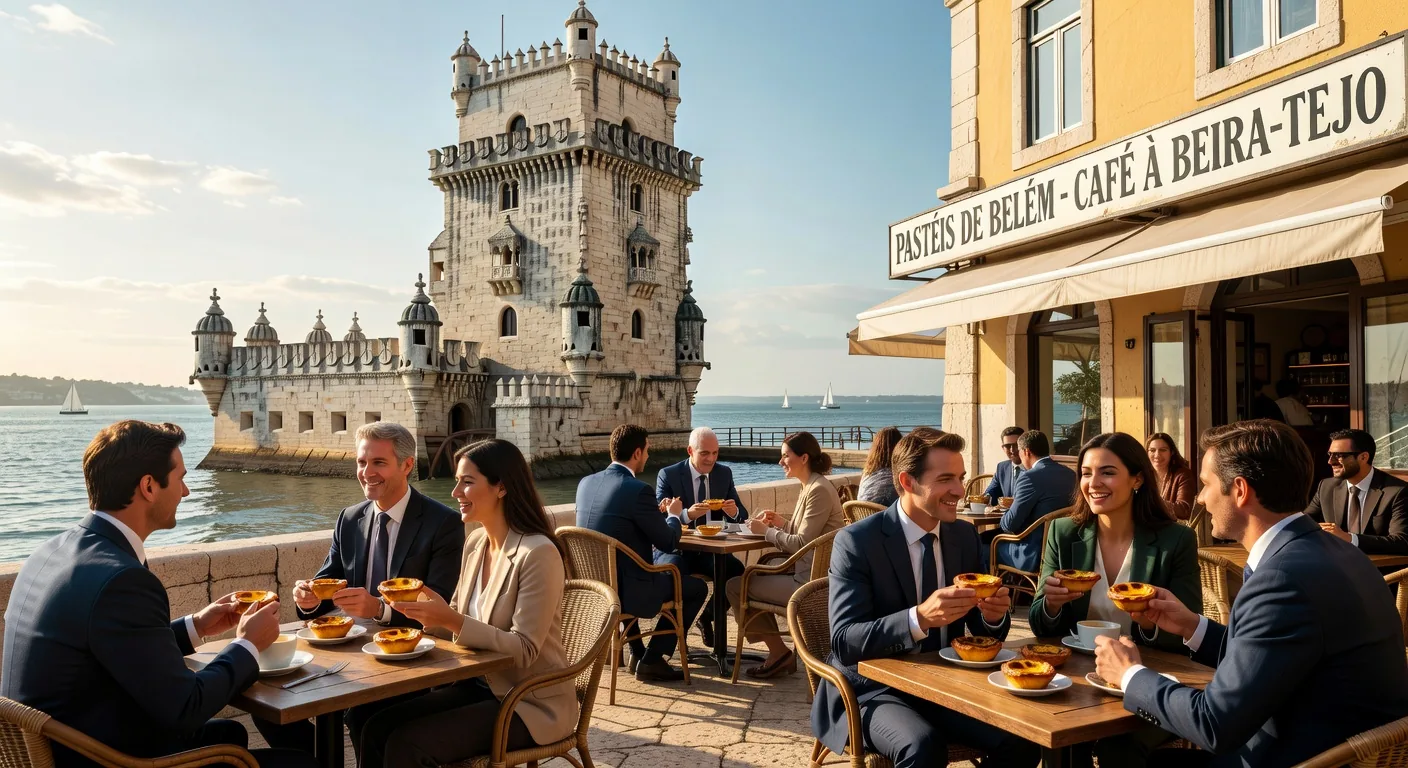
Begin with the city's best morning ritual. In most European capitals, this means a market: the Naschmarkt in Vienna, the Marché d'Aligre in Paris, the Sunday Feira da Ladra in Lisbon. Arriving at 08:00, you catch the market in its most authentic configuration — traders arranging, locals choosing, the day assembling itself. Spend no more than an hour, buy something to eat for breakfast (this is your spontaneous meal moment), and walk.
The mid-morning of Day Two is for the attractions you could not fit into Day One's itinerary. Prioritise those with fixed closing times or specific timed entry. By this stage, you will naturally edit your original plan: some things will feel less important than they did on paper, while something you discovered unexpectedly on Day One will feel essential.
Departure logistics should be invisibly managed. Your bags should already be stored at the hotel or transferred to the station. Your last activity should be within 30 minutes of your departure point. The final café — the espresso before the train or the coffee at the airport — is not wasted time. It is the punctuation mark of the trip.
What to Skip: The Honest Section
Every city has attractions that exist primarily because they are famous, and being famous does not make them worth your limited time. The professional traveller benefits from an honest assessment of what can be sacrificed without loss.
Skip any queue that runs more than 15 minutes unless the experience is genuinely irreplaceable. Skip the gift shops. Skip any attraction you feel obligated to see rather than genuinely drawn to. Skip the tourist restaurant with English menus in the window. Skip the second museum on a day when your feet are already tired — you will retain nothing and resent everything.
What you should never skip: local food, a conversation with a stranger, the hidden courtyard you almost walked past, the view from the hill that is not on the main tourist circuit, and the bar or café that the hotel staff recommend when pressed for where they actually go after work.
The Professional's Packing List for 48-Hour Breaks
The 48-hour city break demands a specific discipline: everything in a carry-on, nothing that requires checking, nothing that slows you down at arrivals or delays you at departure. Our curated packing list has been refined through hundreds of client trips.
Conclusion: The Case for Frequent Short Travel
The executive who takes four three-day city breaks per year is not indulging a travel habit. They are investing in perspective, creativity, and the kind of cultural literacy that no conference, training programme, or business journal can replicate. Research consistently shows that novel experiences — new environments, languages, social codes, cuisines — produce exactly the cognitive flexibility that high-performance professionals require.
The 48-hour city break, executed with the same precision and intentionality that professionals bring to their best work, is one of the highest-value investments available to the busy executive. It costs a weekend. It returns a story, a new reference point, and a reminder that the world is larger and more interesting than any single city, company, or screen.
At Solar Vortex Anchor, every itinerary we design is built around this philosophy: that time, respected and well-used, is the greatest luxury of all. If you are ready to make the most of your next 48 hours, our team of expert curators is waiting to build your perfect trip.